
Maori Culture

Maori Culture: A Complete Guide to the Indigenous People of New Zealand

Whether seeking a peaceful escape or an energizing
journey, Lake Side Events provides the ultimate setting
for a transformative experience.

What Is Maori Culture

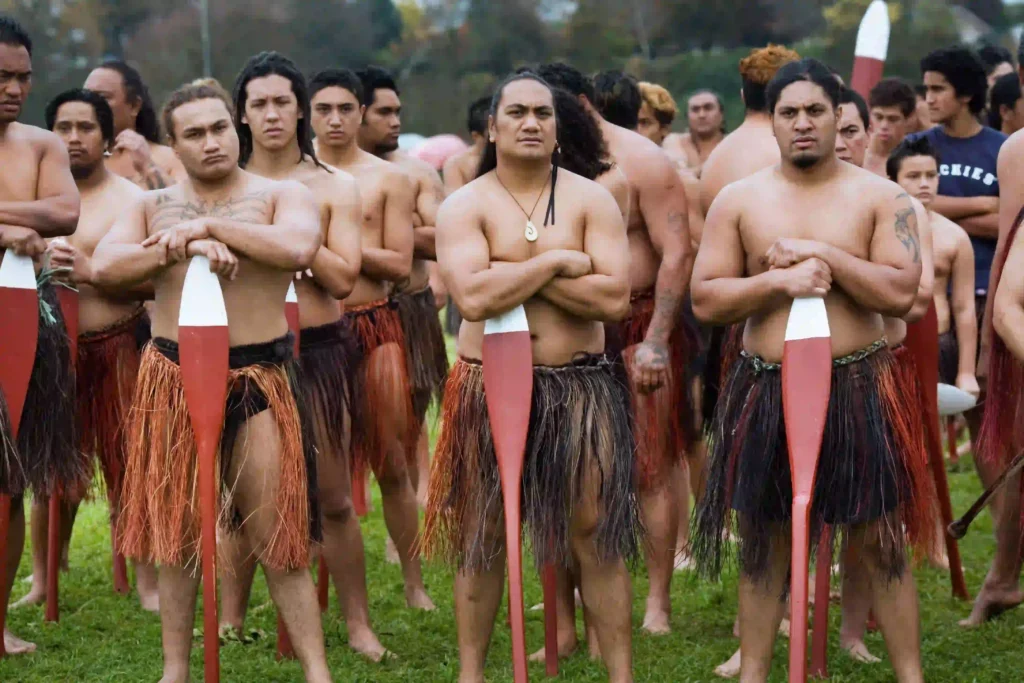
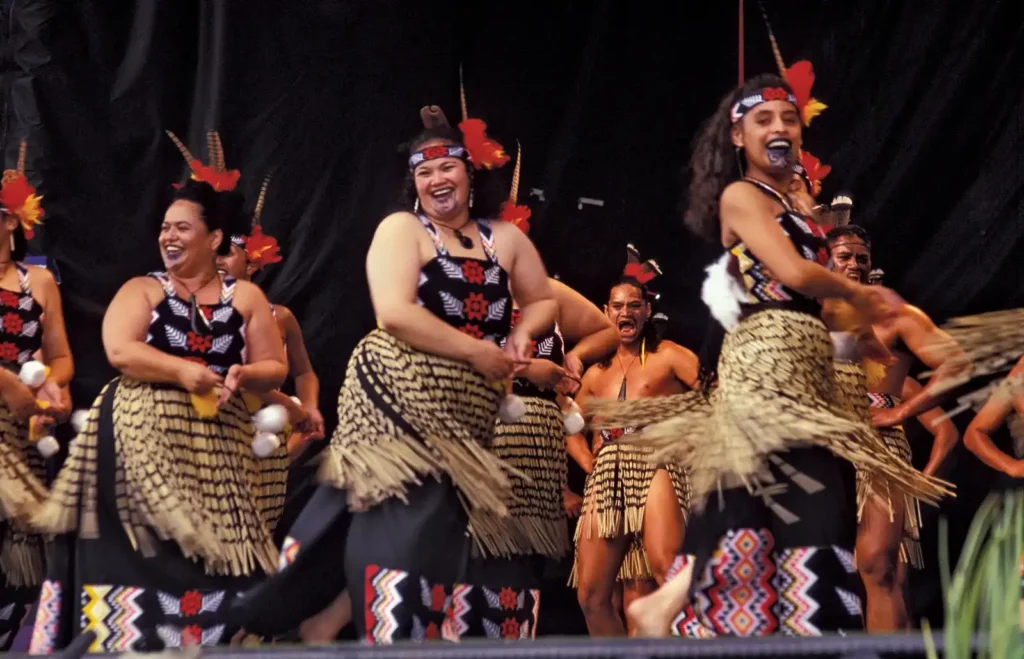
Maori culture encompasses the customs, beliefs, arts, and social structures of the Maori people — the Polynesian group who first settled New Zealand over 700 years ago. Their culture is not a relic of the past but a living, evolving tradition that continues to shape New Zealand society today.

Maori Culture

Where Did the Maori Come From

The Maori trace their origins to Eastern Polynesia, arriving in New Zealand by canoe in a series of migrations beginning around the 13th century. These voyages were extraordinary feats of navigation, guided by stars, ocean currents, and oral knowledge passed down through generations.

Maori Culture

How Many Maori People Are There Today

Today, the Maori population numbers over 800,000, making up roughly 17% of New Zealand’s total population. Maori identity remains strong, with growing numbers of people actively reclaiming language, traditions, and cultural practices.

Maori Culture

Why Is Maori Culture Important

Maori culture is the foundation of New Zealand’s national identity. It shapes the country’s laws, place names, public life, and international reputation. Understanding it is essential for understanding New Zealand — not just its past, but how the country sees itself today.

Maori Traditions and Customs

Maori traditions are built around the concept of whanaungatanga — the bonds of kinship and belonging that tie individuals to family, tribe, and land. These bonds are expressed through ceremony, storytelling, and communal practice.

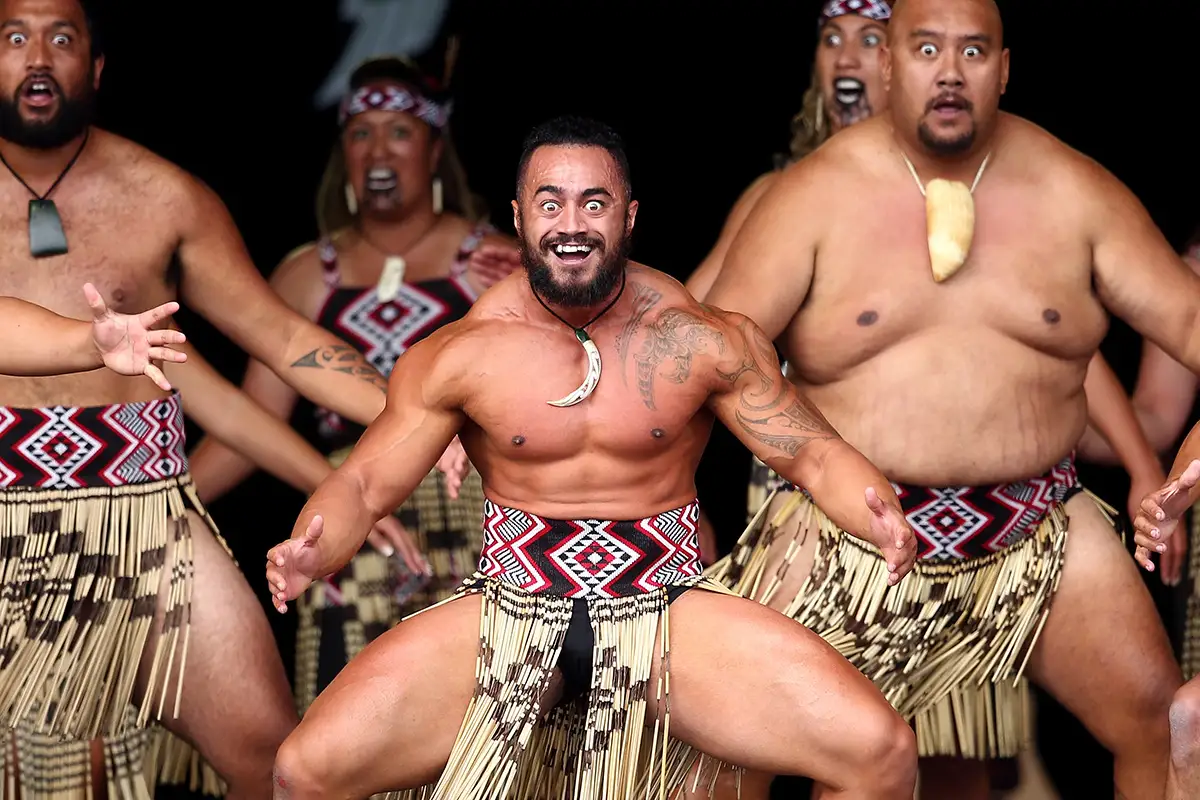
Maori customs mark every stage of life, from birth to death, with ritual and meaning. The tangi (funeral), the powhiri (welcome ceremony), and the hui (gathering) are central practices that reinforce community ties and cultural continuity.

Maori Culture
Maori Culture

Maori History at a Glance

Maori history begins with the great migration from Hawaiki — the ancestral homeland in Eastern Polynesia — and spans centuries of settlement, tribal conflict, and adaptation. By the time European explorers arrived in the 17th century, the Maori had developed complex social hierarchies, sophisticated agriculture, and rich artistic traditions.

The signing of the Treaty of Waitangi in 1840 marked a turning point, establishing the formal relationship between the Maori and the British Crown. The treaty’s interpretation has been debated ever since, and it remains the founding document of modern New Zealand.

Maori Language: Te Reo Maori

Te reo Maori is the indigenous language of New Zealand and one of the country’s three official languages alongside English and New Zealand Sign Language. The language nearly disappeared in the 20th century due to colonisation and urbanisation policies that discouraged its use.

Maori Culture

Maori Art and Expression

Maori art is inseparable from cultural identity. Carving, weaving, and tattooing are not decorative hobbies but sacred practices that communicate lineage, status, and spiritual connection. Each pattern carries specific meaning tied to the individual, their ancestors, and their tribe.

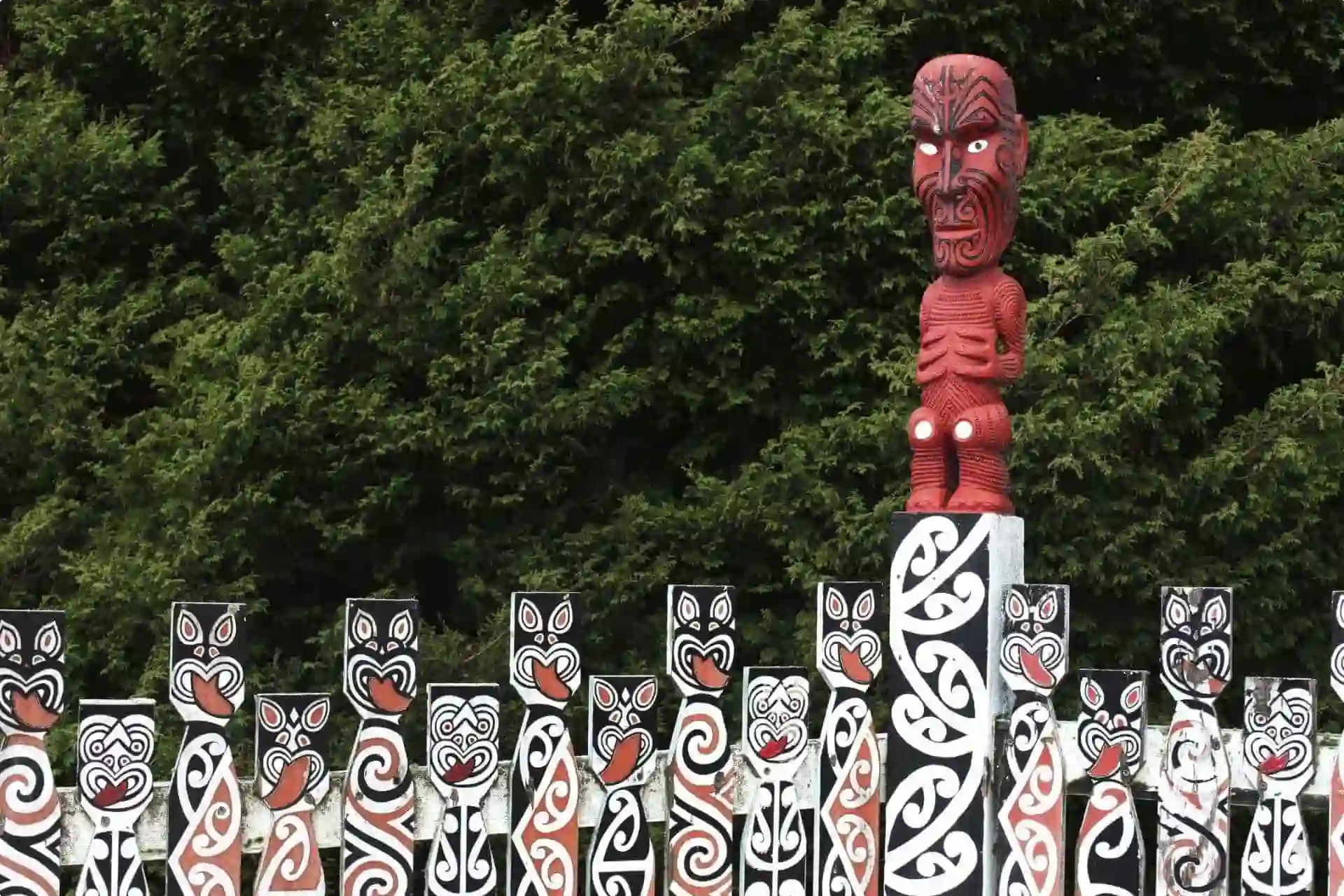
Whakairo: Maori Carving

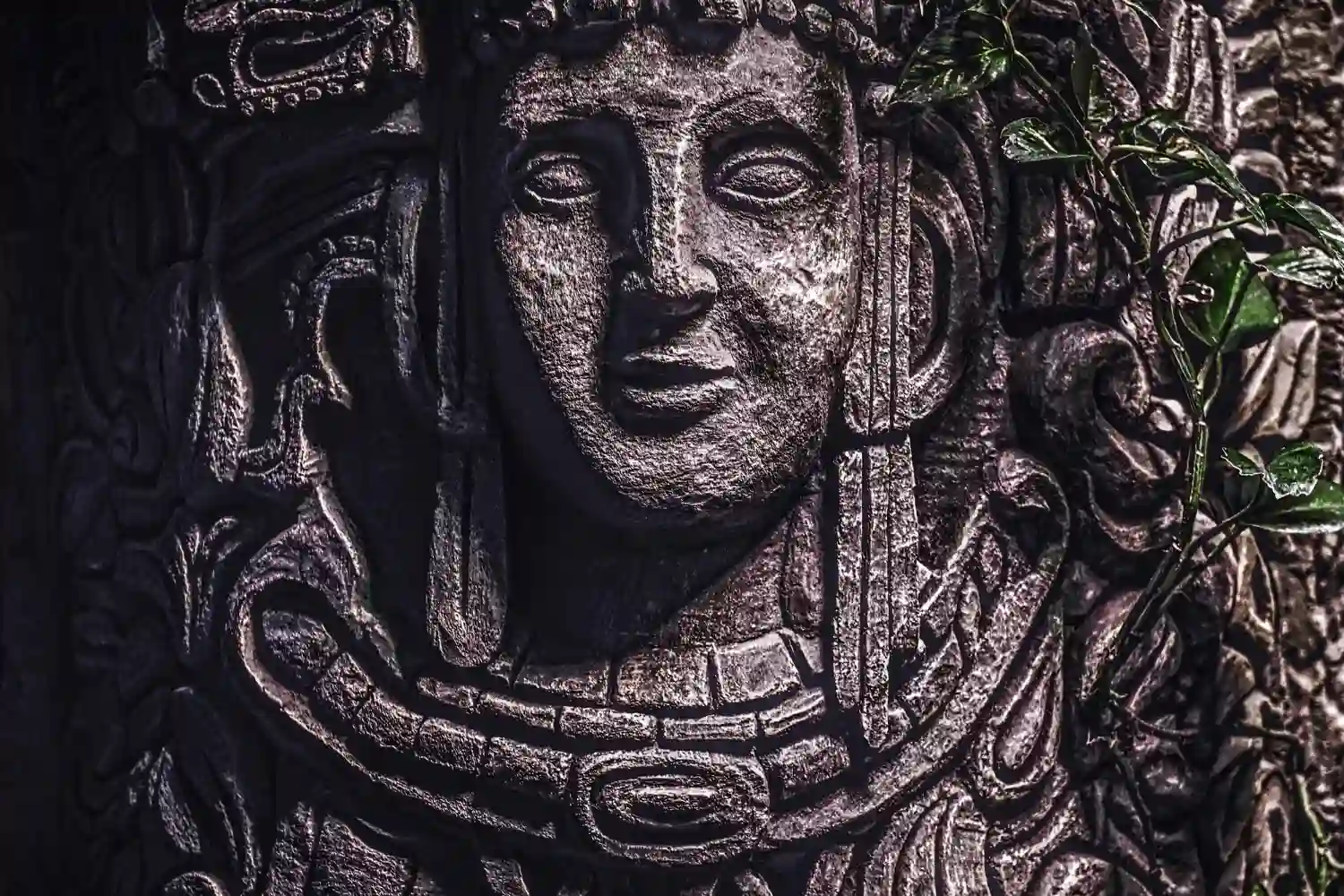
Whakairo is the art of carving in wood, bone, or stone. Intricately carved meeting houses (wharenui) serve as living records of tribal history, with each figure and pattern representing ancestors and stories. The skill is passed down through dedicated apprenticeship.

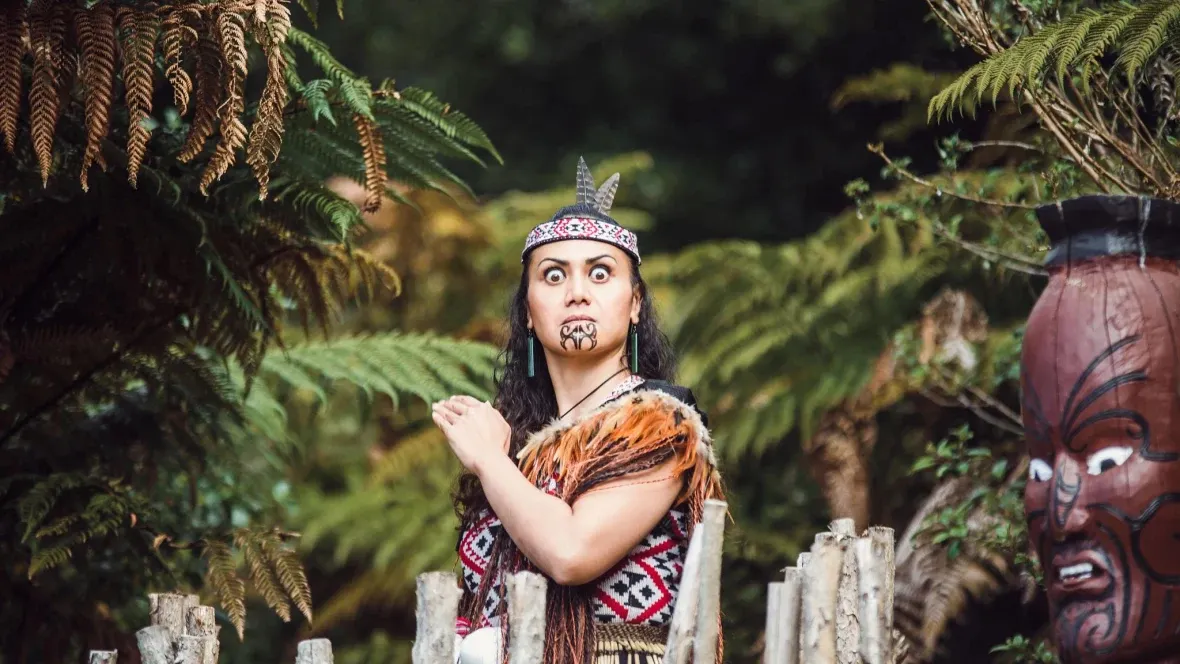
Ta Moko: Maori Tattoo

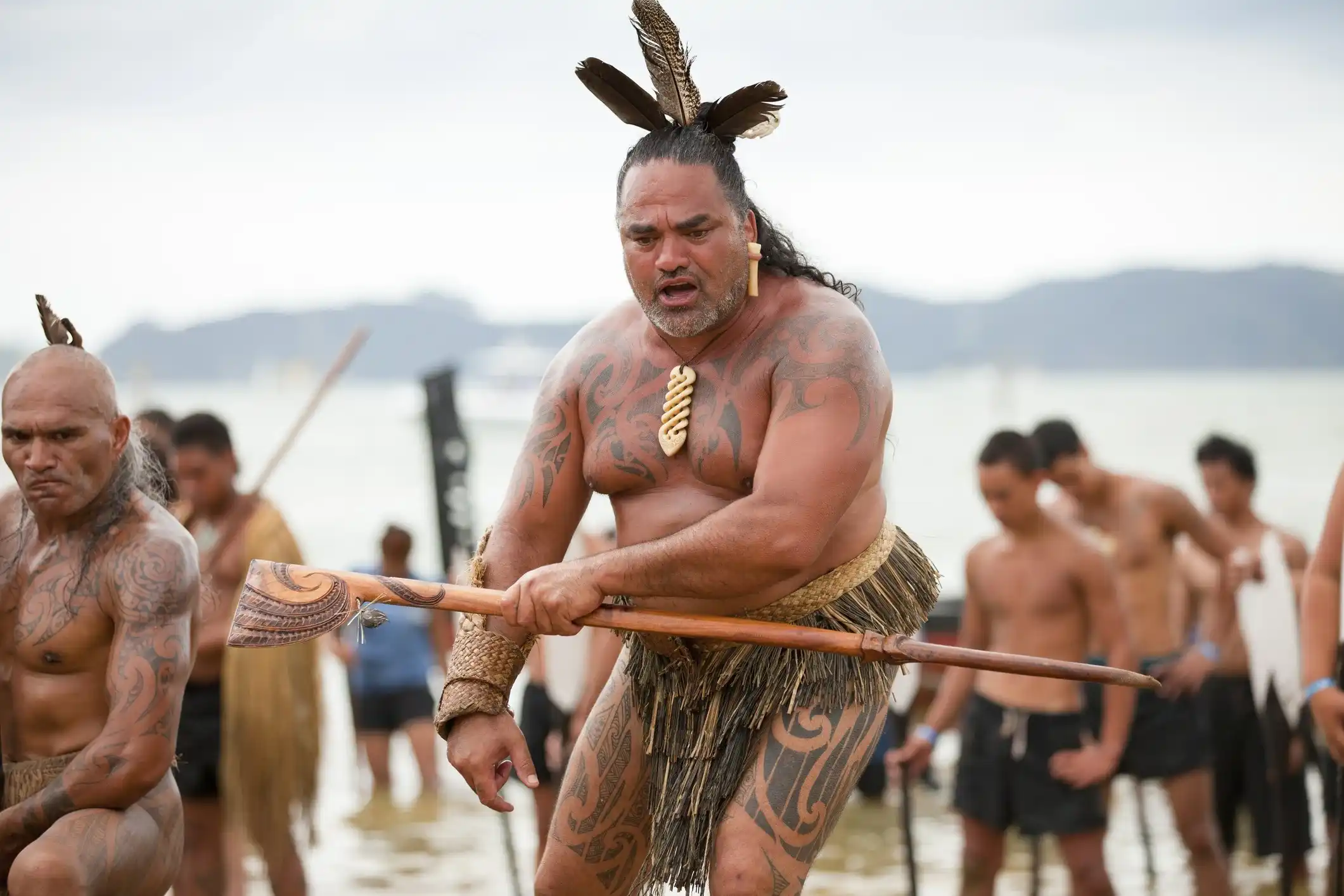
Ta moko is the traditional Maori practice of facial and body tattooing. Unlike decorative tattoos in other cultures, ta moko is a personal genealogical record — each design is unique to the individual and reflects their whakapapa (genealogy), tribal affiliation, and social standing.

Recent Posts

  • Maori food

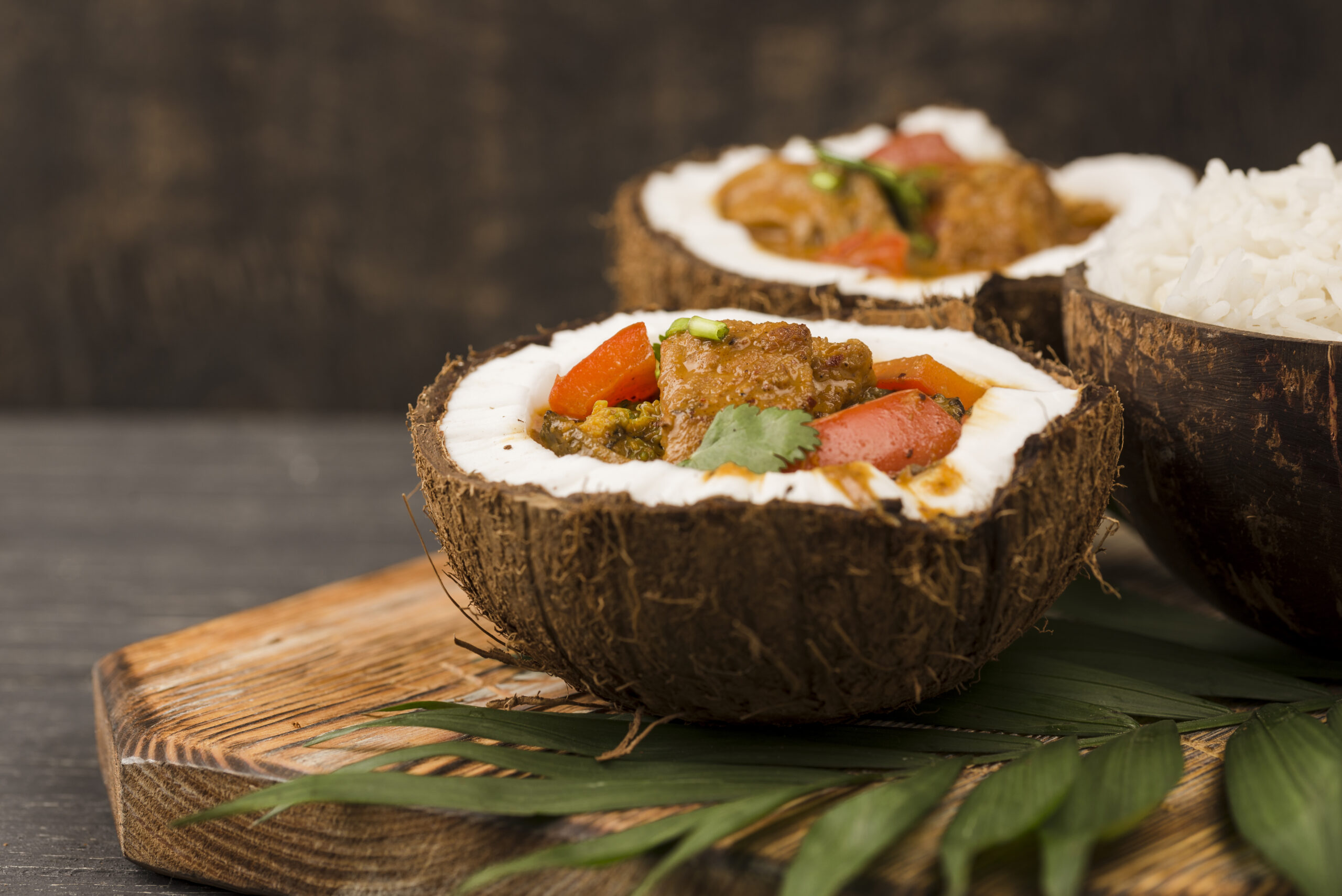
    Maori food

    Maori food is far more than sustenance. For the Maori people of Aotearoa New Zealand, food connects the living to the land, to ancestors, and to the spiritual forces that govern the natural world. Traditional Maori food practices reflect an intimate understanding of the New Zealand environment — its forests,…